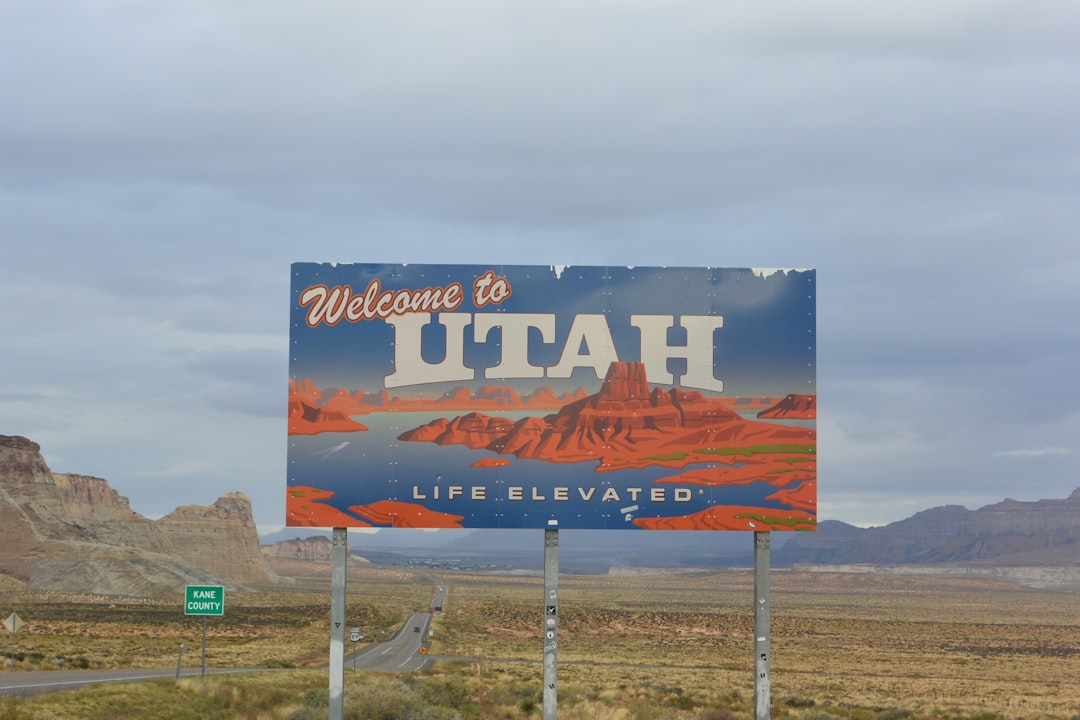
Utah residents face a surge in robocalls and spam texts, requiring proactive measures. Key protections include:
– Registering for the National Do Not Call Registry.
– Using call-blocking apps and settings.
– Reporting suspicious calls to state and federal authorities.
– Being cautious about sharing personal information over the phone.
Consulting a robocall lawyer in Utah specializing in TCPA cases offers legal guidance and recourse against persistent violators, leveraging state Do Not Call laws (like UCSPA) and federal regulations (TCPA).
In today’s digital era, Utah residents are increasingly plagued by robocalls and spam texts, posing significant challenges to personal privacy and peace of mind. These unwanted communications often circumvent traditional Do Not Call lists and laws, leaving individuals vulnerable to harassment and fraud. As a growing concern, understanding the legal framework surrounding robocalls and spam calls is vital for protecting one’s rights. This comprehensive guide aims to empower Utahns by equipping them with knowledge about identifying these nuisance calls and texts, while also introducing expert resources, including robocall lawyers in Utah, who can offer tailored legal assistance and guidance on navigating spam call laws, ensuring a safer digital landscape.
Understanding Robocalls and Spam Texts in Utah
Robocalls and spam texts have become a ubiquitous and often irritating aspect of modern life in Utah, as across the nation. While many states have enacted stringent Do Not Call laws to protect residents from unwanted intrusions, these measures are not foolproof against evolving tactics employed by robocallers and spammers. As technology advances, so do the methods used to contact consumers, making it crucial to stay informed and understand the legal protections available in Utah.
In Utah, as in many places, robocalls and spam texts can originate from various sources, including telemarketers, debt collectors, political campaigns, and even criminal enterprises involved in scams and fraud. While some calls may be legitimate, the sheer volume of unwanted communications has led to increased consumer frustration and a heightened need for robust legal protections. The Utah Division of Consumer Protection plays a vital role in enforcing state laws against deceptive practices, but individuals also have rights under federal regulations like the Telephone Consumer Protection Act (TCPA). A robocall lawyer or attorney in Utah specializing in these matters can offer invaluable guidance on navigating complex legal frameworks and pursuing action against persistent violators.
Understanding the law is only half the battle. Practical measures include registering for the National Do Not Call Registry, utilizing call-blocking apps and settings, and reporting suspect calls to both state and federal authorities. Consumers should also be wary of providing personal information over the phone unless they initiate the contact and verify the legitimacy of the request. By combining legal awareness, technological tools, and cautious communication practices, Utah residents can better protect themselves from robocalls and spam texts, ensuring a more peaceful and secure interactions in the digital age.
Recognizing Red Flags: Common Robocall Techniques
Robocalls and spam texts have become a pervasive problem for Utah residents, leading many to seek guidance on how to identify and deal with these unwanted intrusions. Recognizing red flags is the first step in protecting yourself from these nuisance calls and messages. Expert analysis reveals several common techniques employed by robocallers that can serve as clear indicators of potential fraud or illegal activity.
One of the most telling signs is the lack of personalization, a staple of many robocalls. While legitimate businesses often tailor their communications to specific customers, automated systems tend to use generic greetings and scripted messages. For instance, receiving a call claiming to be from your bank with a generic script about account security could be a red flag. Similarly, spam texts often contain spelling mistakes or unusual phrasing, indicating that they were not created by a human but rather automatically generated.
Another critical aspect to watch for is the timing and frequency of calls or messages. Robocallers frequently employ aggressive tactics, making numerous attempts in quick succession or calling at inconvenient hours like early mornings or late evenings. A robocall lawyer Utah or spam call law firm Utah can attest that these patterns are often a violation of state Do Not Call laws, which require businesses to obtain explicit consent before contacting consumers. If you find yourself being targeted by relentless calls or texts, especially from unknown numbers, it’s advisable to consult with a robocall attorney Utah who specializes in such matters.
According to recent data, Utah residents report one of the highest rates of unwanted calls and texts in the nation. This highlights the need for proactive measures and informed awareness. By recognizing these common red flags, individuals can take action to protect their privacy and potentially hold offenders accountable under Utah’s robust spam call laws. Engaging the services of a reputable law firm specializing in robocall lawsuits Utah can provide much-needed legal recourse for those affected by intrusive marketing tactics.
Legal Protections: Utah's Do Not Call Laws Explained
Utah residents face a constant barrage of robocalls and spam texts, making it crucial to understand their legal protections under the state’s Do Not Call laws. As a robust framework for combating unwanted communications, these laws empower individuals to take control over their phone lines. The key lies in the Utah Consumer Sales Practices Act (UCSPA), which includes specific provisions against deceptive practices related to telemarketing and robocalls. A robocall lawyer or attorney in Utah can offer invaluable guidance on navigating these legal protections.
Under the UCSPA, businesses are prohibited from making automated telephone calls or sending text messages to individuals who have not given explicit consent. This means that if you have registered your number on a Do Not Call list or have made it explicitly clear that you do not wish to receive such calls, any robocall or spam text is likely a violation of the law. Utah’s Attorney General’s Office actively enforces these rules, and individuals who experience repeated or unwanted calls can file complaints with them. Fines for non-compliance can be substantial, serving as a deterrent for companies looking to circumvent these regulations.
A notable aspect of Utah’s Do Not Call laws is their effectiveness in blocking specific types of robocalls. For instance, many spam calls originate from call centers outside the state, making it challenging to trace and stop them. However, by providing a robust legal framework and active enforcement, Utah stands out as a model for protecting residents from intrusive and unwanted communications. As part of a comprehensive strategy, consulting with a robocall lawyer or attorney in Utah can help individuals understand their rights and take appropriate legal action when necessary.
Your Rights: Dealing with Unwanted Text Messages
In Utah, as across the nation, consumers are increasingly facing a deluge of unwanted robocalls and spam texts, which can be frustrating, intrusive, and even harmful. Your rights to privacy and control over your communication channels are protected by both state and federal laws. Understanding these laws is crucial for effectively dealing with robocalls and spam texts.
Utah’s Do Not Call Law, enforced by the Utah Department of Commerce, provides consumers with significant protections against unsolicited sales calls. According to this law, businesses must obtain explicit consent before placing automated or prerecorded phone calls for marketing purposes. Moreover, individuals have the right to register their phone numbers on the state’s “Do Not Call” list, significantly reducing the volume of such calls they receive. If a robocall or spam text is received despite being on this list, Utah residents can file a complaint with the Do Not Call Division, which may lead to legal action against the offending entity.
For text messages, federal laws like the Telephone Consumer Protection Act (TCPA) offer additional safeguards. The TCPA restricts automated texts sent without prior express consent and gives consumers the right to sue for damages if they receive unsolicited spam texts. In recent years, the rise of text-based phishing scams has prompted Utah’s Attorney General to warn consumers about the risks and encourage them to be vigilant. For instance, in 2022, a national investigation led by Utah attorneys general resulted in millions of dollars in penalties for companies sending unauthorized marketing texts.
If you’re facing relentless robocalls or unwanted text messages, consulting with a robocall lawyer Utah or spam call law firm Utah can provide valuable guidance and legal recourse. Experts in these areas can help navigate the complex web of consumer protection laws, ensure your rights are upheld, and offer strategies to block future intrusive communications. Whether you need assistance with a specific case or general advice on protecting yourself from robocalls and spam texts, leveraging the expertise of robocall lawyers Utah and do not call law firms Utah is an essential step in reclaiming control over your communication channels.
Taking Action: Consulting a Robocall Lawyer in Utah
In the face of escalating robocalls and spam texts, many Utah residents find themselves at a loss for recourse. While numerous tools exist to block calls and messages, legal action against persistent violators is often necessary. Consulting with a robocall lawyer in Utah can provide a strategic advantage in navigating complex communication laws and seeking justice. These legal professionals specialize in a range of issues, from Do Not Call law enforcement to the growing problem of unwanted text messages, offering expert guidance tailored to Utah’s specific regulations.
Utah’s laws regarding robocalls and spam texts are designed to protect citizens from intrusive and illegal communications practices. The state has embraced federal guidelines established by the Telephone Consumer Protection Act (TCPA), which imposes stringent restrictions on automated telephone equipment and prerecorded messages. Similarly, text message spam is addressed through the CAN-SPAM Act, though Utah’s attorney general’s office plays a crucial role in enforcing these rules at the state level. When dealing with repeated robocalls or unwanted texts, individuals should document each instance, including timestamps, call/text content, and any recorded evidence. This detailed record becomes invaluable when pursuing legal action against perpetrators.
Engaging a robocall attorney Utah is particularly beneficial for cases involving high-volume spamming, false representations, or violations of Do Not Call lists. These specialists can help victims understand their rights under Utah’s communication laws and formulate an effective strategy. Through litigation or settlement negotiations, these lawyers aim to deter future misconduct, compensate affected parties, and enforce compliance with robocall and spam text regulations. By leveraging expertise in TCPA and CAN-SPAM Act enforcement, robocall lawyers Utah strive to protect consumers from malicious practices, ensuring a safer, more transparent communications environment for all Utah residents.